
EXPLORE OUR PIZZA TOOLS
Better Tools, Better Pizza
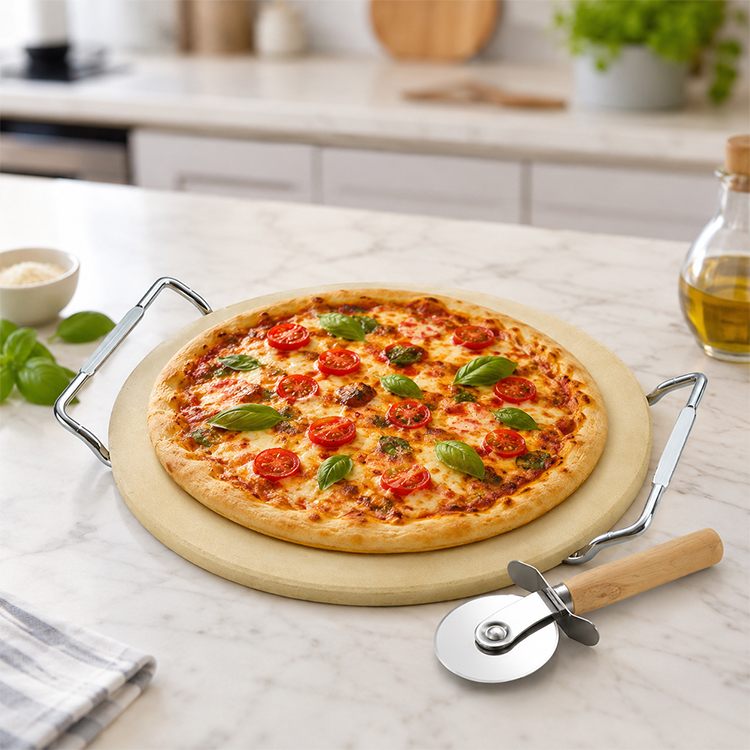
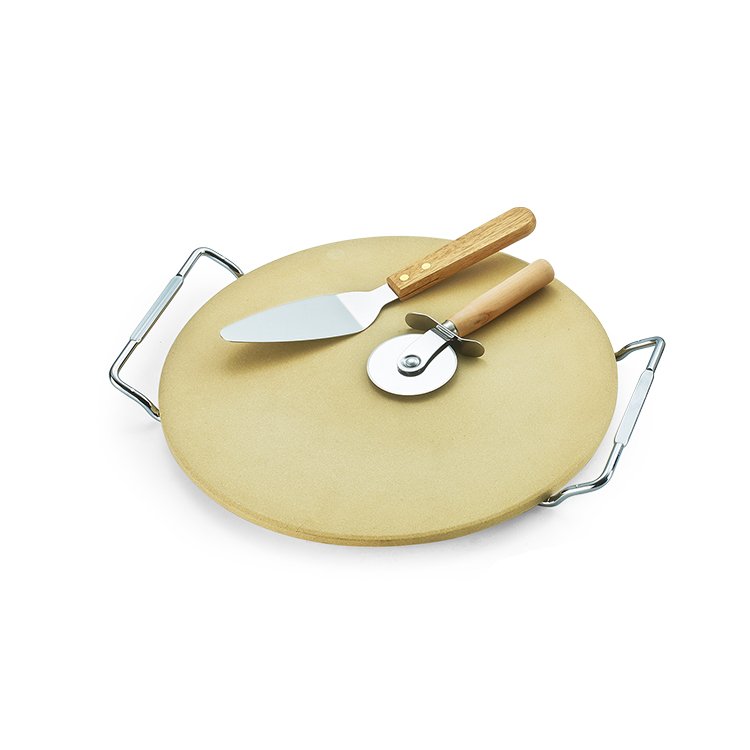
Boleefun pizza tools are made for easy prep, baking, and serving. From pizza stones and peels to cutters, trays, and accessory sets, each tool is built for reliable performance at home or outdoors.
Showing all 8 resultsSorted by latest
CUSTOM PIZZA TOOL SOLUTIONS
Made for Your Brand

Customize Your Pizza Tools
Customize pizza tools to match your market, product range, and brand style. Built for easy handling, dependable performance, and a better pizza-making experience.

Personalized Packaging
Customize packaging to match your pizza tools, market, and brand identity. Made for secure protection, easy handling, and a better unboxing experience.

Pizza Tools Marketing Support
Get the content and visual assets you need to showcase your pizza tools across websites, marketplaces, social media, and other marketing channels.
COMPANY ADVANTAGES
Experience the Excellence

Professional Technical Support
Get the technical guidance you need for product development, testing, production, and use—helping bring your pizza tools from concept to market with confidence.

Gas Grill After-Sales Service
Get responsive after-sales support for product use, care, maintenance, and troubleshooting, with clear communication throughout the cooperation process.
PIZZA TOOLS FAQ GUIDE
1. What Types of Pizza Tools Are Commonly Used?
Pizza tools are designed to make pizza preparation, baking, serving, and cleaning easier.
Common pizza tools include:
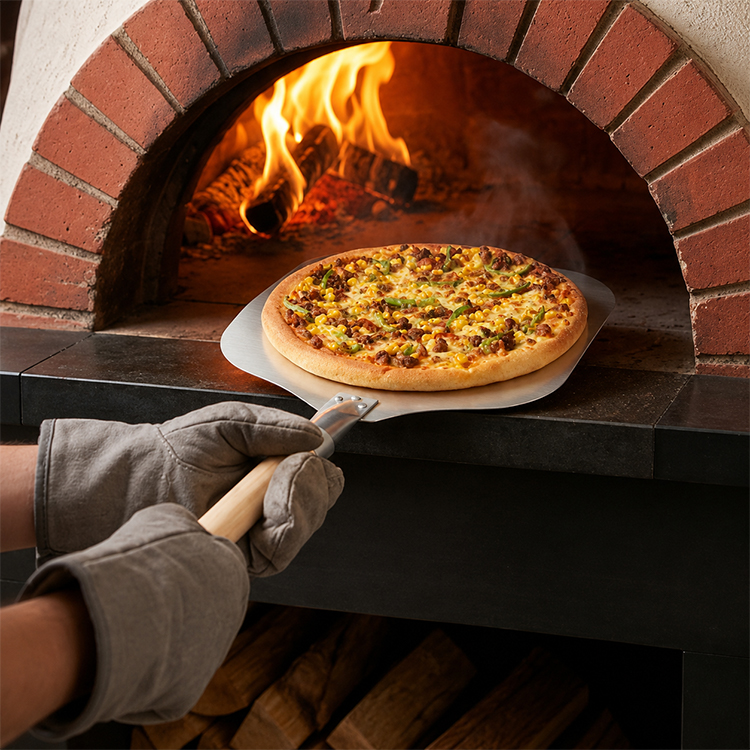
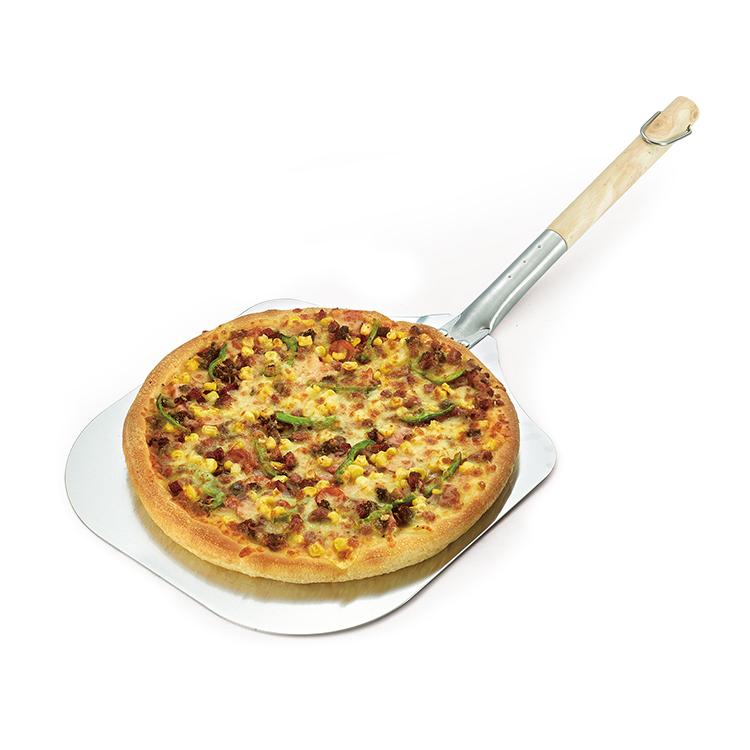
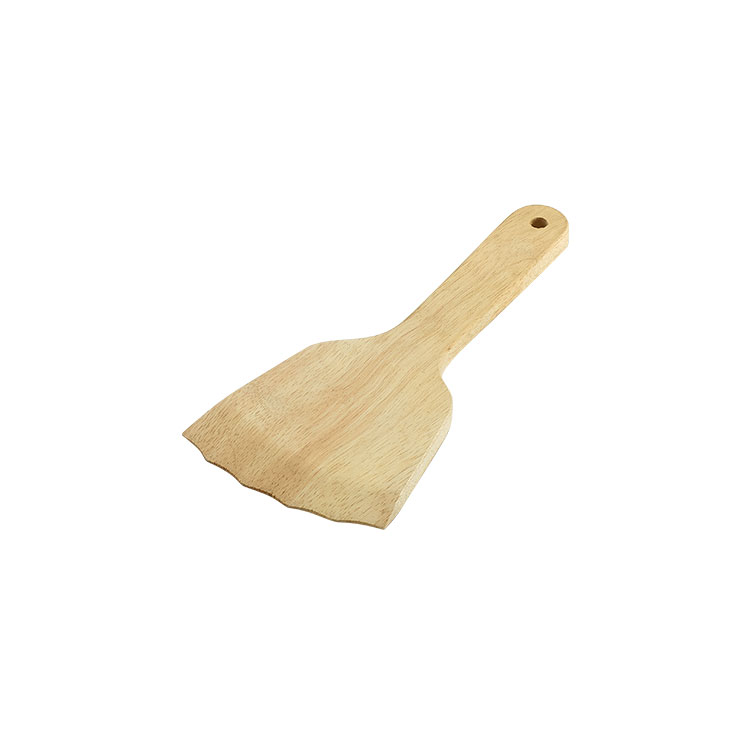
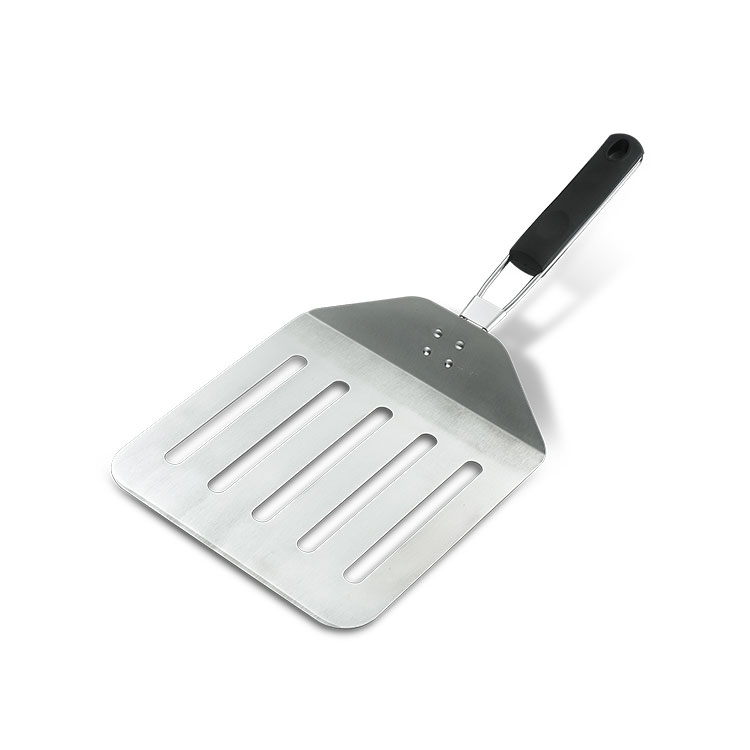
· Pizza Peels: Used to transfer pizza dough into and out of an oven or grill.
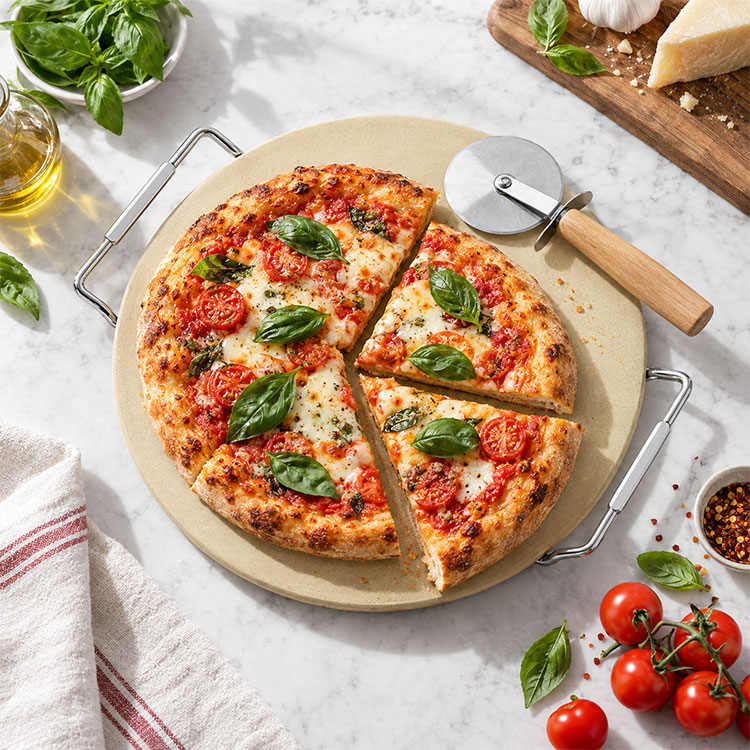
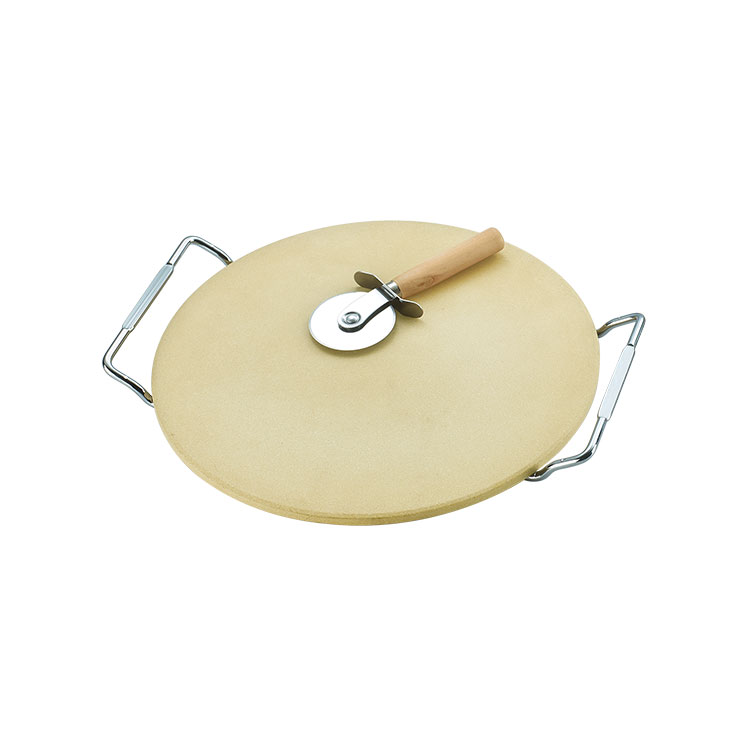
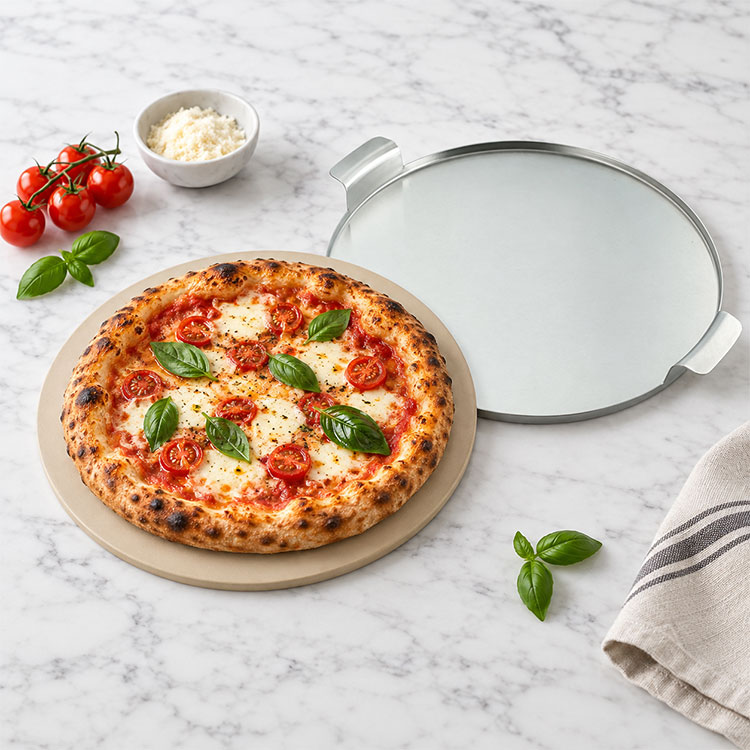
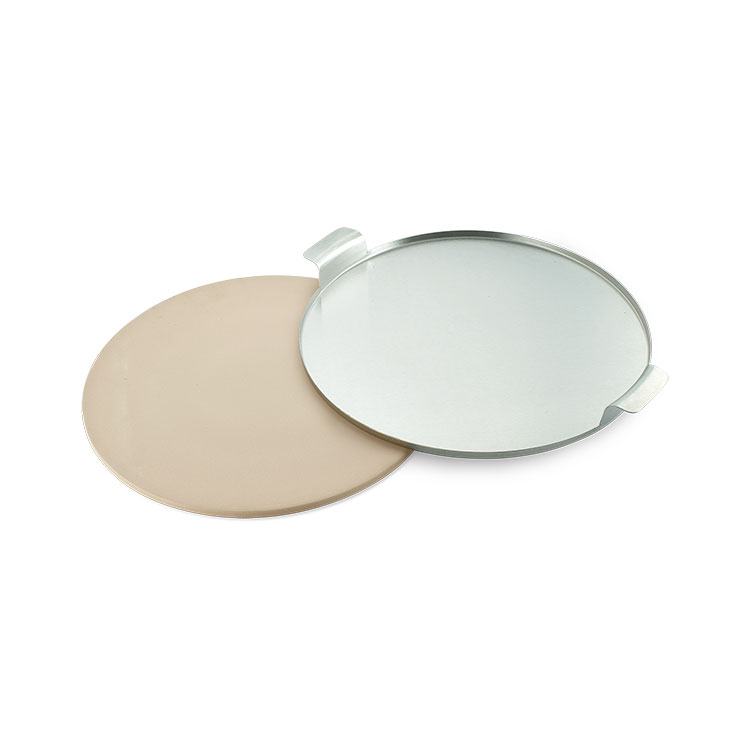
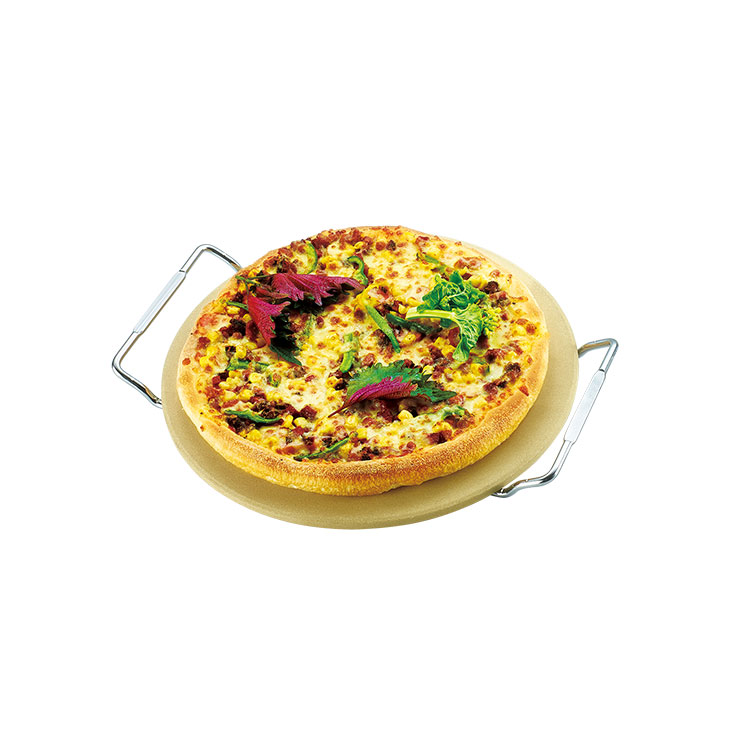
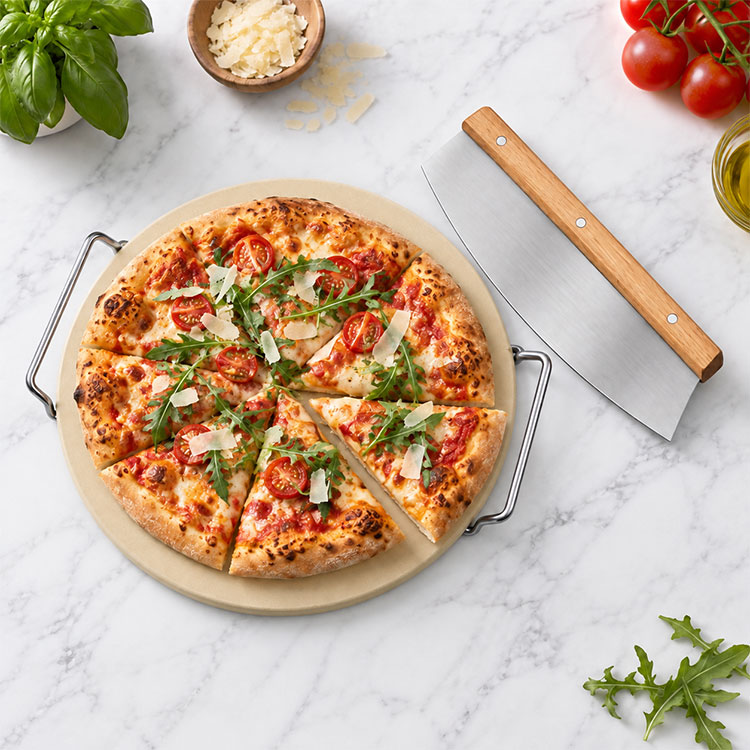
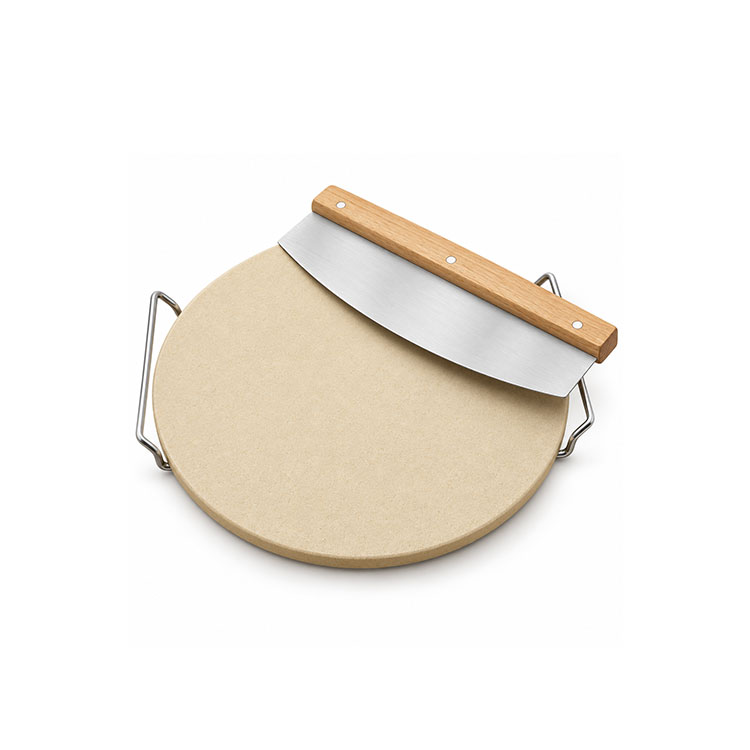
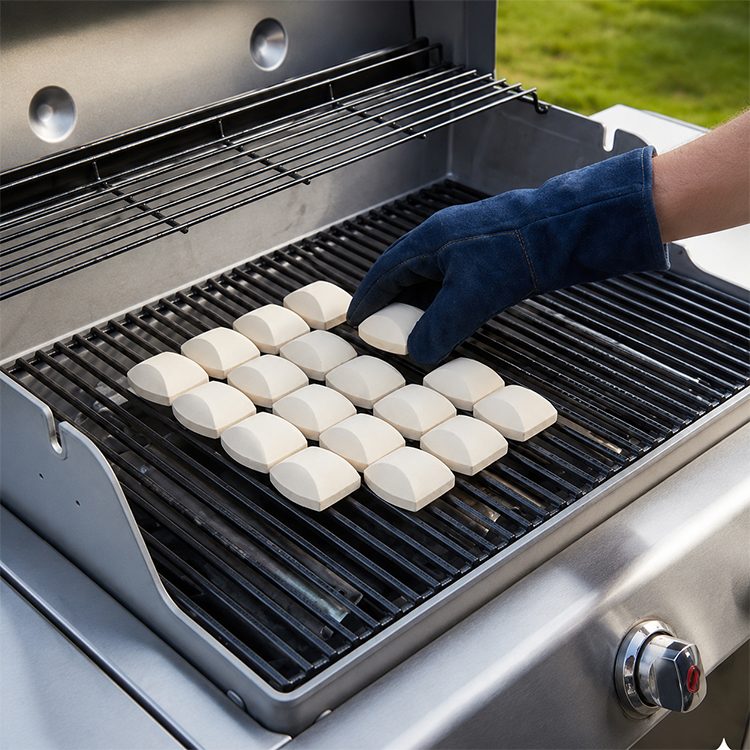
· Pizza Stones: Help distribute heat more evenly and support a crispier pizza crust.
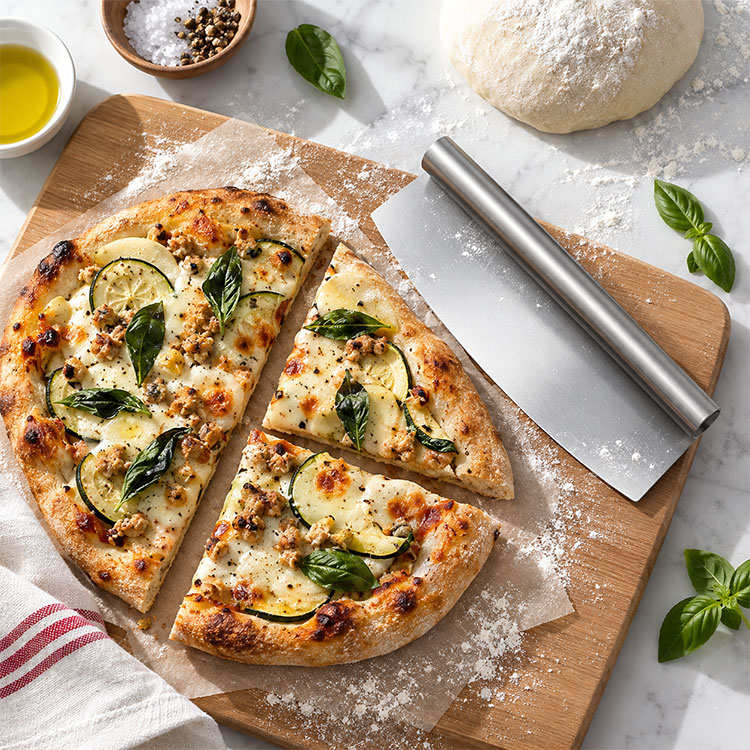
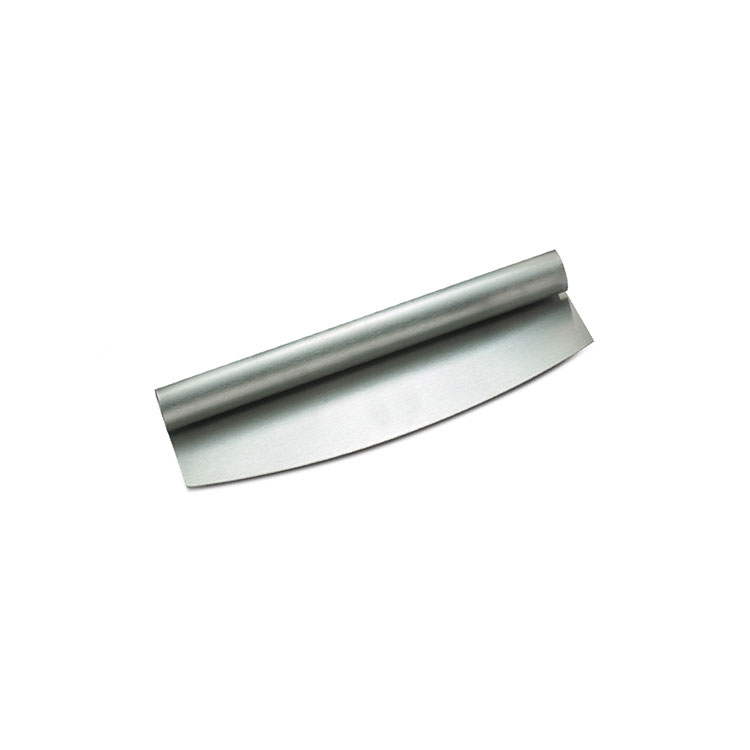
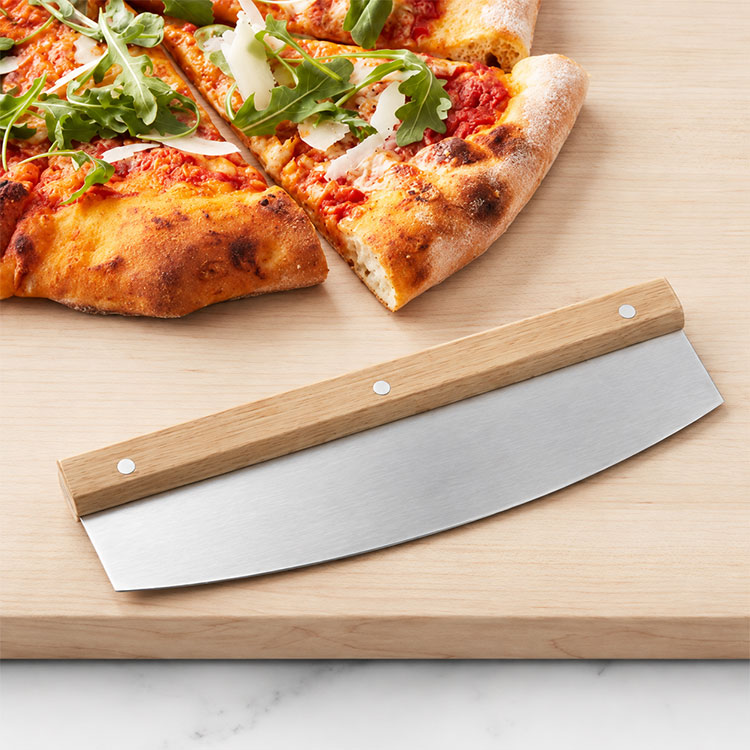
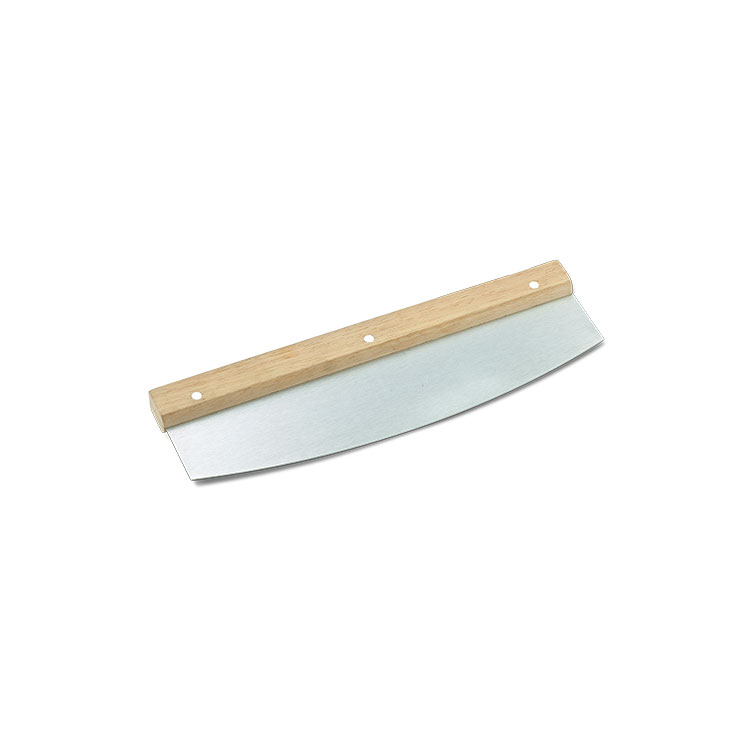
· Pizza Cutters: Used to slice baked pizza into serving portions.
· Pizza Trays and Pans: Support baking, serving, and food presentation.
· Pizza Screens: Help support dough while allowing heat circulation.
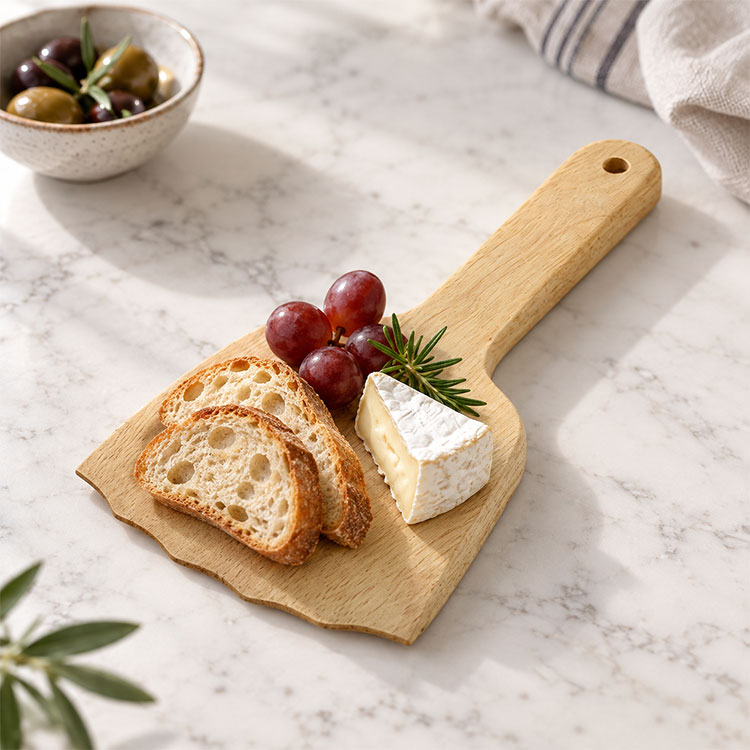
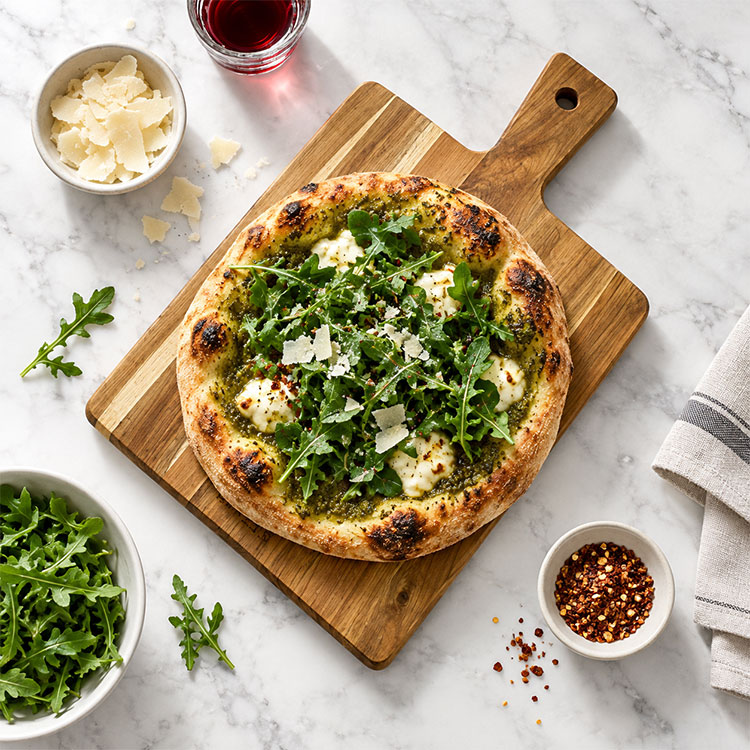
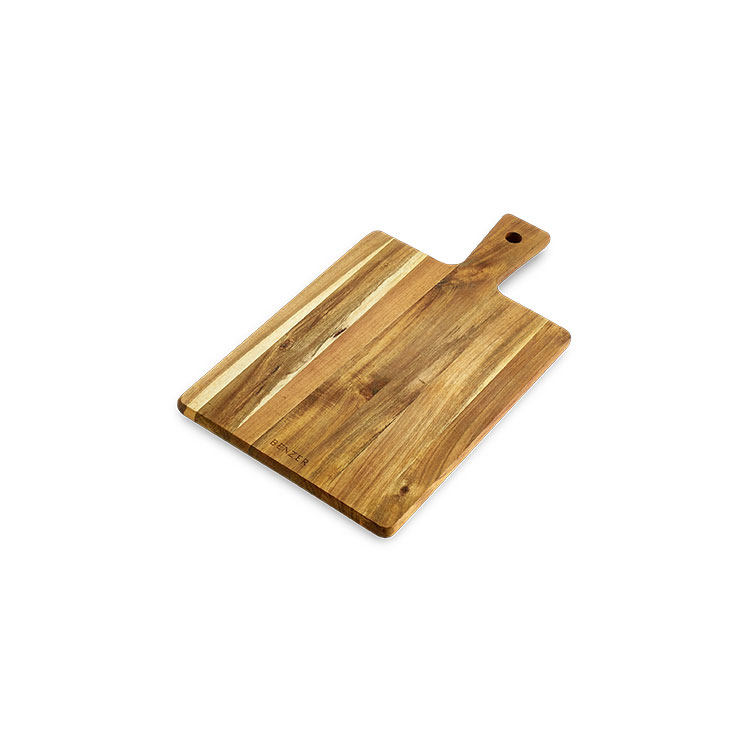
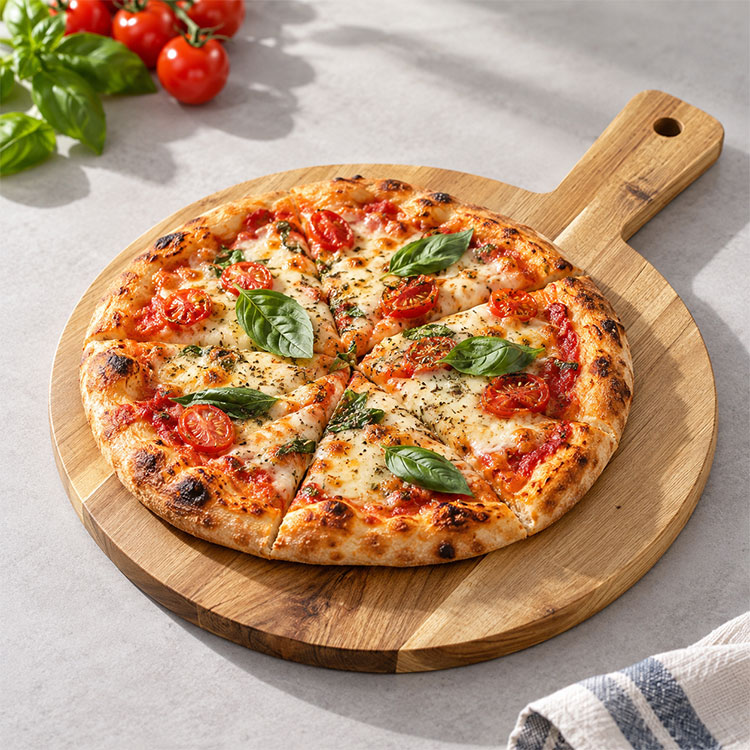
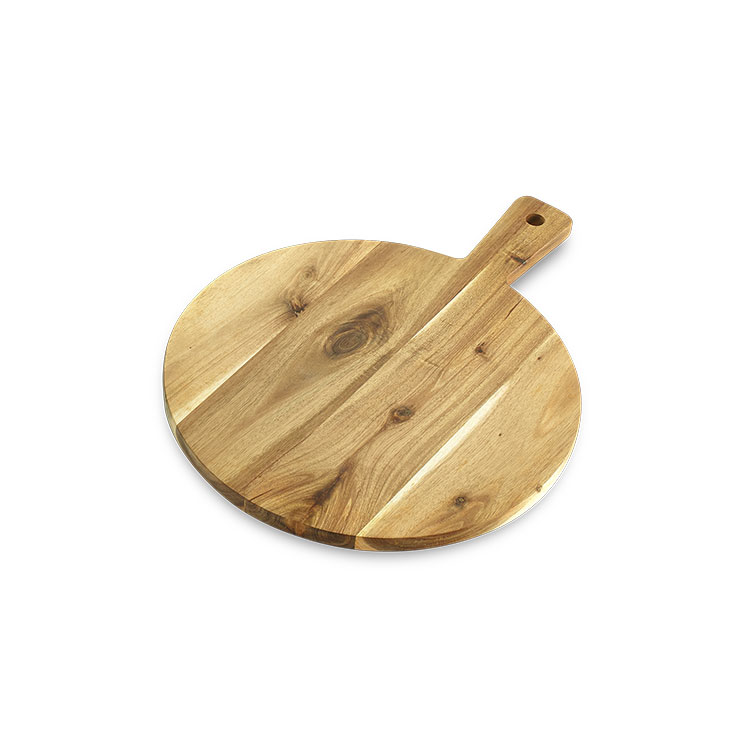
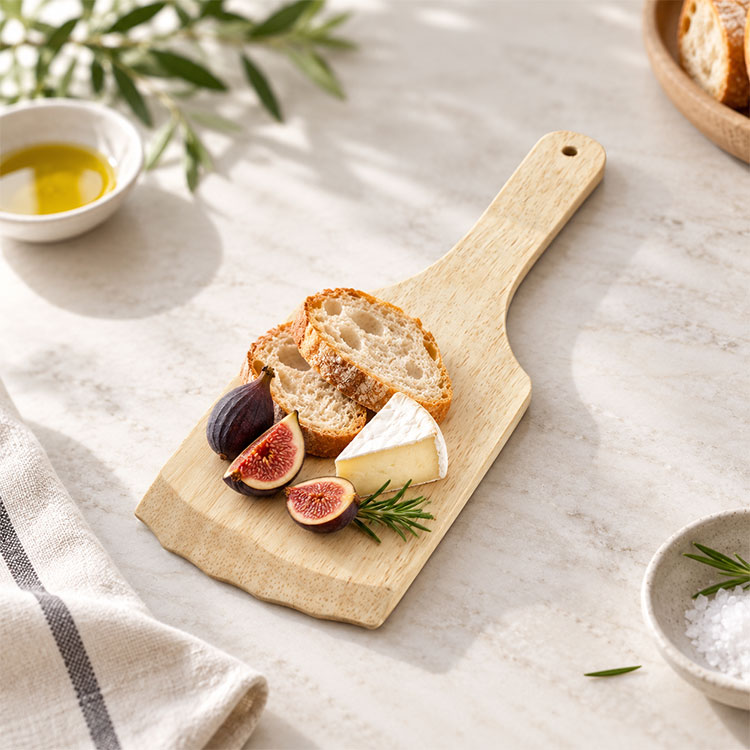
· Serving Boards: Suitable for presenting pizza, bread, appetizers, and snacks.
· Pizza Racks and Frames: Help support pizza stones or simplify handling.
· Cleaning Accessories: Useful for maintaining pizza ovens, grills, and baking surfaces.
· Pizza Tool Sets: Combine multiple practical accessories in one package.
2. What Materials Are Commonly Used for Pizza Tools?
Pizza tools are available in different materials depending on their function and intended application.
Common materials include:
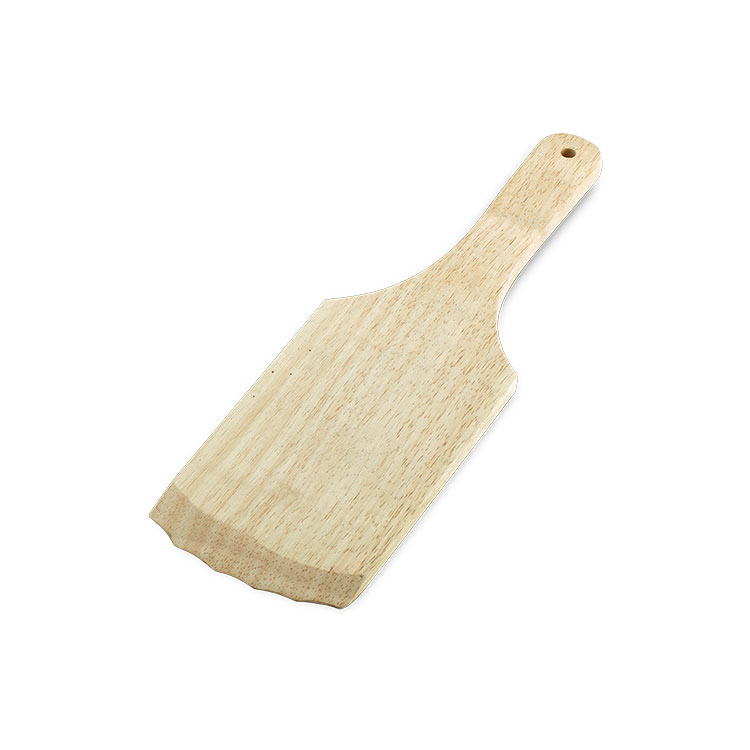
· Wood:Commonly used for pizza peels and serving boards because it offers a natural appearance and comfortable handling.
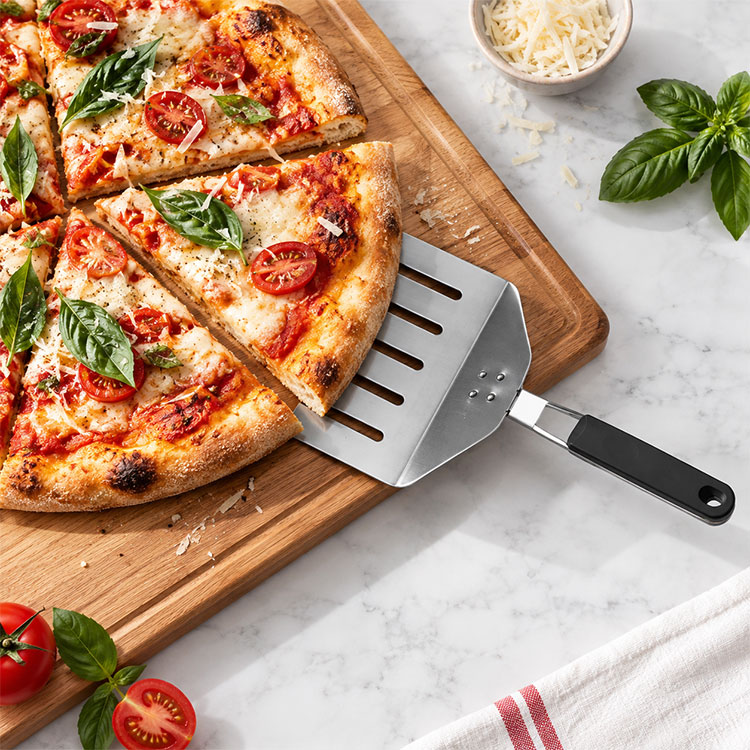
· Stainless Steel:Frequently used for pizza peels, cutters, racks, trays, and serving accessories because it is durable and easy to clean.
· Aluminum: Often used for lightweight pizza peels, trays, and pans.
· Carbon Steel: Suitable for selected pizza trays, pans, and frames requiring strength and heat resistance.
· Cordierite: Commonly used for pizza stones because it supports heat distribution and high-temperature baking.
· Ceramic Materials: Used for selected baking stones and pizza accessories.
Choose the appropriate material according to cooking method, oven type, heat level, cleaning preferences, and storage conditions.
3. What Is a Pizza Peel Used For?
A pizza peel is used to transfer pizza dough safely and conveniently.
It helps users:
· Slide uncooked pizza into an oven or grill
· Remove baked pizza from a hot cooking surface
· Transfer bread and baked goods
· Serve pizza more conveniently
· Keep hands farther away from high heat
Pizza peels are commonly available in wooden, aluminum, and stainless steel designs.
Wooden pizza peels are often used for preparing and launching pizza dough, while metal pizza peels can be practical for turning and removing baked pizza.
4. How Do I Choose the Right Pizza Peel?
When choosing a pizza peel, consider the pizza size, oven opening, handle length, material, and intended usage scenario.
· Check the Blade Size: Select a peel that supports the expected pizza diameter.
· Measure the Oven Opening: Make sure the peel can enter and exit the oven conveniently.
· Consider Handle Length: Longer handles help keep hands farther away from heat.
· Choose the Right Material: Wood, aluminum, and stainless steel offer different handling experiences.
· Check the Weight: A lighter peel may be easier to handle during frequent use.
· Consider Storage: Hanging holes or compact structures can simplify organization.
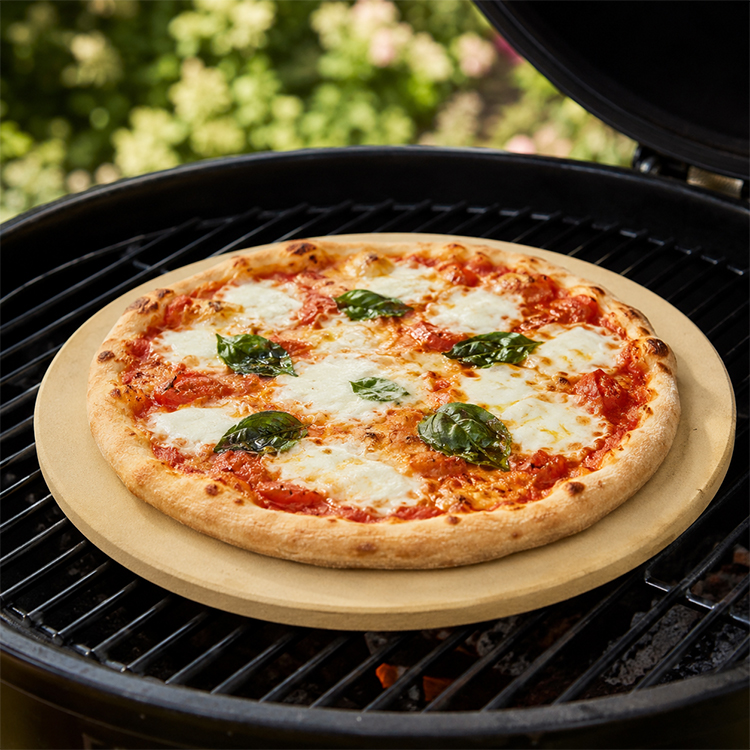
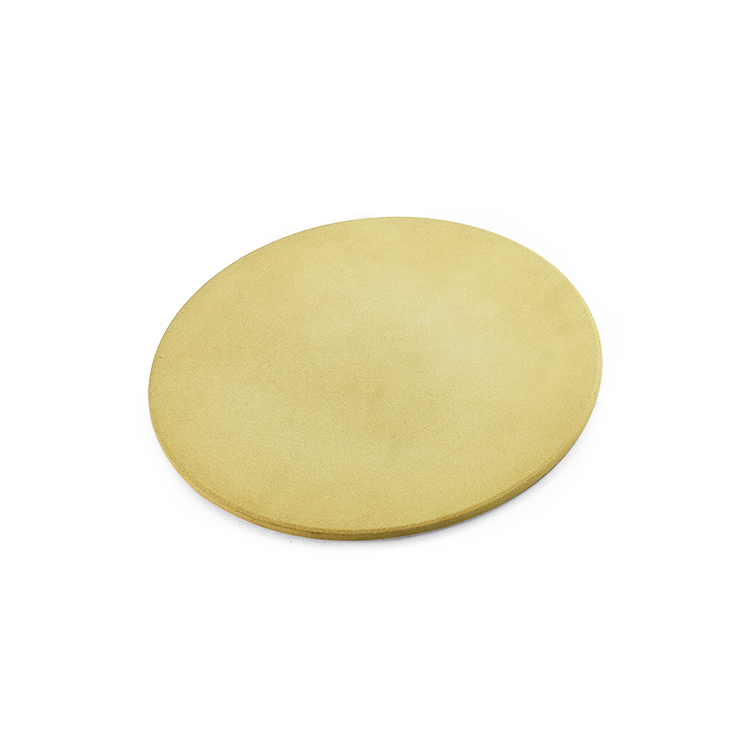
5. What Is a Pizza Stone Used For?
A pizza stone is designed to support more consistent baking and improve crust texture.
When preheated properly, a pizza stone absorbs and distributes heat across the pizza base. This helps promote a crispier crust and more even baking.
Pizza stones are commonly used for:
· Homemade pizza
· Bread
· Flatbread
· Pastries
· Outdoor pizza cooking
· Oven baking
· Grill baking
Always follow the product instructions for preheating, temperature limits, cooling, and cleaning.
6. How Should I Use a Pizza Stone Safely?
To use a pizza stone safely, follow these basic guidelines:
· Preheat Gradually: Place the pizza stone in the oven or grill before heating when recommended by the product instructions.
· Avoid Sudden Temperature Changes: Rapid temperature changes may increase the risk of cracking.
· Use Heat-Resistant Gloves: The pizza stone and any metal frame can become very hot during use.
· Place on a Stable Surface: When serving, place the stone on a heat-safe surface.
· Allow the Stone to Cool Naturally: Do not place a hot pizza stone in cold water.
· Follow the Recommended Temperature Limit: Use the product according to the specified heat resistance range.
7. How Do I Prevent Pizza Dough From Sticking to a Pizza Peel?
Pizza dough may stick to a pizza peel if the surface is too moist or if the dough remains on the peel for too long.
Try the following methods:
· Dust the Peel Lightly: Use an appropriate amount of flour or semolina.
· Prepare the Dough Properly: Avoid excessively wet dough when transferring pizza.
· Work Efficiently: Do not leave assembled pizza on the peel for too long.
· Shake the Peel Gently: Confirm that the dough can move before transferring it into the oven.
· Avoid Excess Toppings: Heavy toppings may make the pizza harder to slide.
· Keep the Peel Dry: Moisture may increase sticking.
8. How Should I Clean and Maintain Pizza Tools?
Regular cleaning helps maintain product appearance, food hygiene, and service life.
· Allow Tools to Cool First: Never clean hot pizza stones, trays, or metal accessories immediately after use.
· Follow Material-Specific Instructions: Wood, metal, cordierite, and ceramic materials require different cleaning methods.
· Avoid Sudden Temperature Changes: Do not place hot pizza stones under cold water.
· Dry Thoroughly: Keep tools dry before storage.
· Clean Food Residue Promptly: Remove dough, grease, flour, and food residue after use.
· Store in a Dry Area: Protect pizza tools from moisture and accidental damage.
· Inspect Regularly: Check handles, edges, surfaces, and frames before the next use.
9. Can Pizza Tools Be Used With Ovens and Grills?
Many pizza tools can be used with household ovens, outdoor pizza ovens, gas grills, charcoal grills, and other cooking equipment, provided that the size, material, and heat resistance are suitable.
Before use, confirm:
· Product dimensions
· Oven or grill size
· Heat resistance
· Material compatibility
· Handle length
· Cooking method
· Cleaning instructions
· Storage requirements
For the best results, select pizza tools that match the intended cooking equipment and usage scenario.
10. How Do I Select Pizza Tools for Retail or Wholesale?
When selecting pizza tools for retail, wholesale, or private-label projects, consider your target market, product categories, price positioning, and packaging requirements.
· Define the Target Customer: Identify whether your customers are home users, outdoor cooking enthusiasts, restaurants, retailers, or gift-set buyers.
· Select Popular Categories: Pizza peels, pizza stones, cutters, trays, pans, screens, serving boards, and tool sets are practical product options.
· Offer Multiple Sizes: Different pizza diameters and oven sizes require different product dimensions.
· Consider Product Combinations: Pizza stone sets, peel-and-cutter sets, and outdoor pizza accessory kits can improve perceived value.
· Use Clear Packaging: Accurate size information, usage guidance, and care instructions help customers select the correct product.
· Explore OEM and ODM Services: Customized materials, shapes, sizes, logos, packaging, and accessory combinations can help strengthen brand identity.